Rebuilt with the packing-medium safety hierarchy and 5 verified current picks
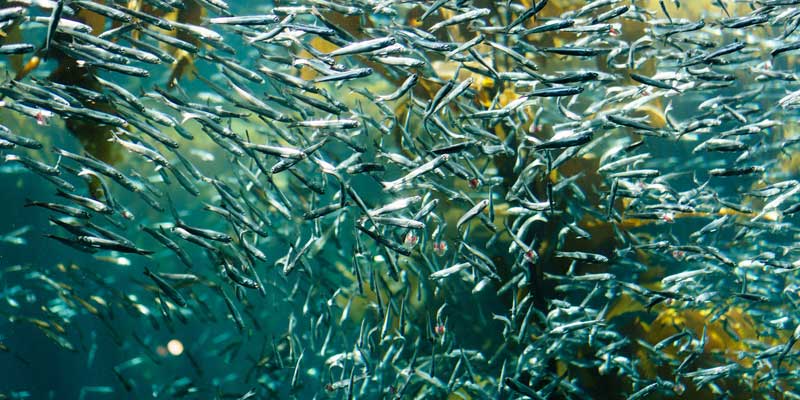
Sardines are genuinely good for dogs — solid omega-3s, real protein, a low-mercury fish thanks to their size and short lifespan. But the brand matters less than one specific choice: water-packed versus oil, brine, or sauce. Oil can trigger stomach upset or worse in a fat-sensitive dog; brine and sauce add sodium and sometimes ingredients like garlic that don’t belong anywhere near a dog’s bowl. Water, no salt added, is the standard to look for regardless of brand.
One more distinction worth knowing: fresh sardines can have bones tough enough to be a genuine risk, while canned sardines have soft, safely digestible ones — canned is actually the safer starting point, not a downgrade from fresh.
Below, we cover what to actually check, plus 5 current picks, each solving a slightly different situation.
Editor’s Pick

Last update on 2026-08-19 / Affiliate links / Images from Amazon Product Advertising API
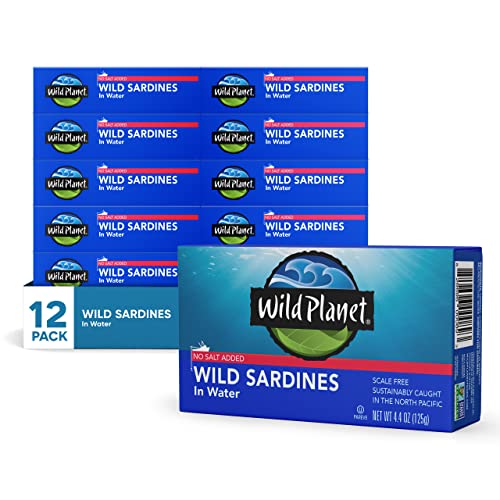
A separate product line specifically third-party mercury tested — independent verification, not just a brand’s own safety claim.
What’s Inside!
Why Sardines Are Genuinely Good for Dogs
Sardines are rich in omega-3 fatty acids (EPA and DHA), which support joint, heart, and skin health, along with real protein, calcium, and B12. Their actual safety edge over larger fish like tuna comes down to biology: sardines sit low on the marine food chain and don’t live long, so they don’t accumulate significant mercury the way a longer-lived predatory fish does.
Dogs with pancreatitis, a history of it, or a fat-sensitive stomach should avoid sardines, or check with a vet first. Vet-reviewed sourcing is direct about this — the fat content that makes sardines nutritious is exactly what can trigger a flare-up in a dog already prone to it. Oil-packed sardines specifically raise this risk further, since they add fat on top of what’s already in the fish itself.
What to Actually Check Before Buying
Packing medium, first. Water with no salt added is the actual standard. Oil adds meaningful extra fat; brine and sauce add sodium and sometimes seasonings like garlic or onion powder that are truly unsafe for dogs regardless of the sardines themselves.
Sodium content specifically. Even among water-packed options, sodium percentages vary — check the label rather than assuming “water-packed” automatically means low-sodium.
Bones: fresh versus canned. Fresh sardines can have bones tough enough to pose a real risk; the canning process softens bones in canned sardines to the point they’re safely digestible, making canned the more straightforward, safer choice for most owners rather than something to feel bad about not sourcing fresh.
Sustainability certification. A checkable third-party label — Marine Stewardship Council or Friend of the Sea — is a genuine signal beyond a brand’s own “sustainably sourced” language on the can.
Sardines Comparison Table


Last update on 2026-08-19 / Affiliate links / Images from Amazon Product Advertising API
Sardines Reviews
1. Wild Planet (Best for Verified Safety)
Best for Verified Safety
Last update on 2026-08-19 / Affiliate links / Images from Amazon Product Advertising API
- PackingWater, no salt added
- SourcingWild-caught, North Pacific, selective harvesting
- Best ForBuyers who want independent mercury verification
The standout is a separate Wild Planet product line specifically labeled third-party mercury tested — independent verification rather than a brand simply stating “low mercury” on the packaging with nothing behind it.
Water-packed, no salt added, scale-free, non-GMO, and OU Kosher Pareve certified. Wild Planet has committed to selective harvesting since 2004 to reduce bycatch, a checkable sustainability practice.
It costs more than budget options, which is reasonable given the added independent verification.
Pros
- Real, independent third-party mercury testing available
- Water-packed, no salt added
- Established sustainable sourcing practices since 2004
Cons
- Priced above budget alternatives
2. King Oscar (Best Premium)
Best Premium

Last update on 2026-08-19 / Affiliate links / Images from Amazon Product Advertising API
- PackingPure spring water, no salt added
- SourcingWild-caught in Norway’s coastal waters
- Best ForBuyers wanting an established premium brand
Real Norwegian brisling sardines, hand-packed with no salt added — a specific sourcing story rather than a generic “wild-caught” label with no origin detail.
Certified recyclable aluminum cans with an easy-open pull-ring, and the lightly wood-smoked process is a notable point of differentiation in flavor and texture versus the plainer picks on this list.
It’s priced above the budget options here — the tradeoff for the specific Norwegian sourcing and processing.
Pros
- Specific, verifiable Norwegian sourcing
- Water-packed, no salt added
- Recyclable, easy-open packaging
Cons
- Priced above budget alternatives
3. Season (Best Value)
Best Value
Last update on 2026-08-19 / Affiliate links / Images from Amazon Product Advertising API
- PackingWater, no salt added
- CertificationFriend of the Sea sustainability certified
- Best ForBudget-conscious buyers wanting real sustainability backing
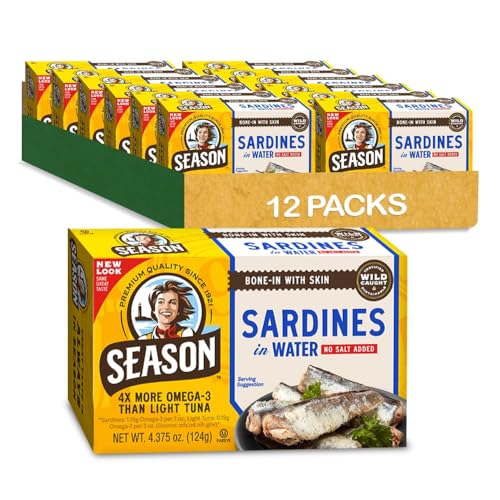
The differentiator at this price point is a genuine third-party sustainability certification — Friend of the Sea — rather than just vague “ocean-friendly” language with nothing to check.
Water-packed, no salt added, wild-caught, and notably lower in cost than the premium picks above without giving up transparency about sourcing.
The flavor and texture are more basic than the specialty picks — a fair tradeoff for the savings here.
Pros
- Real Friend of the Sea third-party certification
- Water-packed, no salt added
- Genuinely lower cost than premium picks
Cons
- More basic flavor and texture than specialty picks
4. Beach Cliff (Best Overall)
Best Overall

Last update on 2026-08-19 / Affiliate links / Images from Amazon Product Advertising API
- PackingWater, no sauce or added oil
- SourcingWild-caught, traceable
- Best ForNot sure where to start
The checkable signal here is sales volume — this is the highest-selling water-packed sardine tracked in this research, an independent demand indicator rather than a marketing claim.
Water-packed with no sauce or added oil, and a traceability code lets you check exactly where and how the specific batch was caught and processed — a genuine transparency feature most competitors don’t offer.
It’s a straightforward, no-frills option — a solid default rather than a specialty pick for a particular concern.
Pros
- Genuinely highest-selling water-packed option tracked
- Real batch-level traceability
- Straightforward, reliable default
Cons
- No specialty differentiation beyond the basics
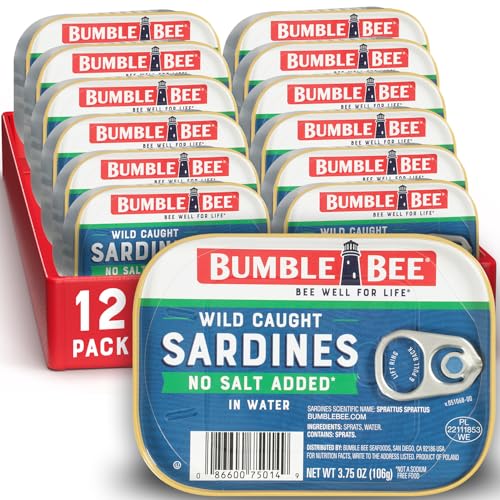
5. Bumble Bee (Best Recognized Brand)
Best Recognized Brand
Last update on 2026-08-19 / Affiliate links / Images from Amazon Product Advertising API
- PackingWater, no salt added
- SourcingWild-caught, traceable
- Best ForBuyers wanting a widely-recognized name
The advantage is brand recognition backed by genuine market presence — Bumble Bee is one of the most established seafood brands in the US, not a newcomer riding a health trend.
Water-packed, no salt added, with the same batch-level traceability system as Beach Cliff. Clean, simple ingredients matching the standard this whole guide is built around.
It doesn’t offer a specific specialty angle beyond being a well-trusted, mainstream option.
Pros
- Real, widely-recognized established seafood brand
- Water-packed, no salt added
- Batch-level traceability
Cons
- No specific specialty differentiation
Which Sardines Should You Buy?
| Situation | Pick |
|---|---|
| Want independent mercury verification | Wild Planet |
| Want a specific, premium sourcing story | King Oscar |
| Tightest budget, still want real sustainability backing | Season |
| Not sure where to start | Beach Cliff |
| Want a familiar, trusted mainstream brand | Bumble Bee |
Sardines for Dogs FAQ
Are sardines packed in oil safe for dogs?
Not the recommended default. Oil adds meaningful extra fat on top of what’s already in the fish, raising the risk of stomach upset or a pancreatitis flare-up, especially in a fat-sensitive dog. Water, no salt added, is the safer standard choice.
Can dogs eat sardine bones?
Canned sardine bones are soft from the canning process and safely digestible. Fresh sardines can have bones tough enough to pose a real choking or digestive risk, which is one reason canned is often the more straightforward, safer choice for most owners.
Which dogs should avoid sardines entirely?
Dogs with a history of pancreatitis or a truly fat-sensitive stomach should avoid sardines or check with a vet first. The same fat content that makes sardines nutritious is what can trigger a real flare-up in a dog already prone to one.
How many sardines can I give my dog?
Treat portions generally, not a meal replacement — a small piece to one sardine for a toy breed, one to two for a medium dog, two to three for a large dog, a few times a week rather than daily for most dogs. Introduce gradually to check for stomach upset.
Final Thoughts
Packing medium matters more than brand — water, no salt added, is the actual standard regardless of which company’s can you pick. Check for a fat-sensitivity or pancreatitis history before starting, introduce gradually, and treat canned as the safer, more straightforward choice over fresh rather than a downgrade.