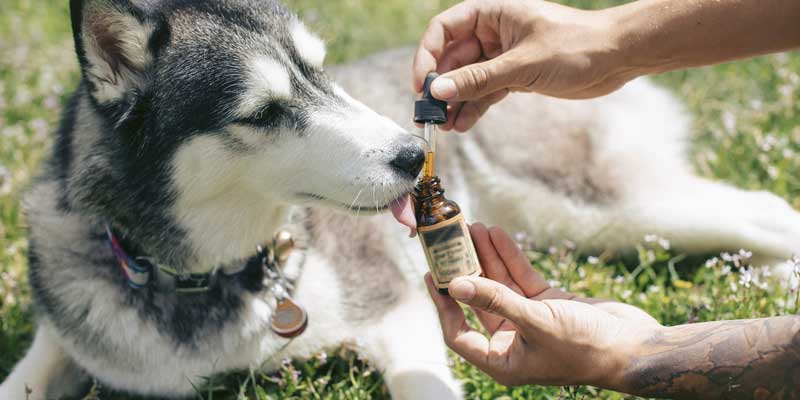
Rebuilt with the concentration-based safety nuance and 5 verified single oils
Search “essential oils for dogs” and you’ll get genuinely conflicting advice, sometimes within the same article. The reason: risk depends on concentration and how the oil is used, not just which oil it is. Undiluted oil applied to skin or ingested is a genuine risk even for oils generally considered safer; the same oil, properly diluted and used in a well-ventilated room, has a different risk profile — and in lavender’s case, actual research (a controlled 2006 veterinary study) supports its calming effect at that lower exposure level.
That distinction matters more than any single “safe” or “unsafe” list. Below, we cover what genuinely determines risk, plus 5 current picks — each a real, verified single oil, not a blended set with unclear contents.
Editor’s Pick
Last update on 2026-08-19 / Affiliate links / Images from Amazon Product Advertising API
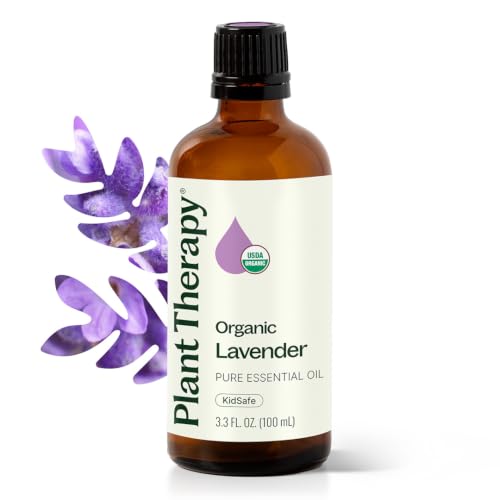
USDA Certified Organic with batch-specific third-party GC/MS testing, and safety standards developed with Robert Tisserand, a widely recognized authority in aromatherapy safety research.
What’s Inside!
Are Essential Oils Safe for Dogs?
It depends on the specific oil, the concentration, and how it’s used — not a simple yes or no. A board-certified veterinary toxicologist puts it plainly: undiluted lavender, for example, is technically toxic in that it can cause genuine skin or stomach irritation, but properly diluted forms generally don’t produce those effects. The same logic applies broadly across this category — concentration and exposure route determine actual risk far more than the oil’s identity alone.
Some oils carry genuine risk regardless of dilution and should be avoided entirely: tea tree, pennyroyal, wintergreen, cinnamon, and pine are consistently flagged by credible veterinary sources due to specific toxic compounds they contain. Others — chamomile, frankincense, cedarwood, and clary sage — are more consistently regarded as lower-risk when properly diluted and used with the precautions below. Lavender sits in a distinctly more nuanced spot: genuine risk when undiluted or ingested, but with actual supporting research for calming benefit at low, ambient exposure.
Puppies under 10 weeks, pregnant or nursing dogs, senior dogs, and dogs with existing health conditions all warrant extra caution or avoiding essential oils entirely — check with your vet first in these situations.
Which Essential Oils Are Considered Lower-Risk for Dogs
Chamomile (German or Roman). Calming, and may help with occasional stomach upset. Never ingested; German chamomile specifically should never be given orally, per manufacturer safety guidance.
Frankincense (Carterii specifically). Note the species matters here — Frankincense Serrata and Frereana are different botanical varieties without the same safety track record for pets; Carterii specifically is the one with more established use.
Ginger. May support digestion and ease joint discomfort when properly diluted.
Lavender. Genuinely the most researched oil for calming effects in dogs, with real caveats around concentration covered above.
Cedarwood (Virginian). Also has some natural insect-deterrent properties alongside its calming use.
Clary Sage. Calming properties similar to lavender, with antibacterial and antifungal characteristics.
How to Use Essential Oils With Dogs
Dogs have up to roughly 300 million olfactory receptors compared to a human’s 5-6 million — their sense of smell is dramatically more sensitive than ours, which is exactly why concentration and exposure matter more for them than for us.
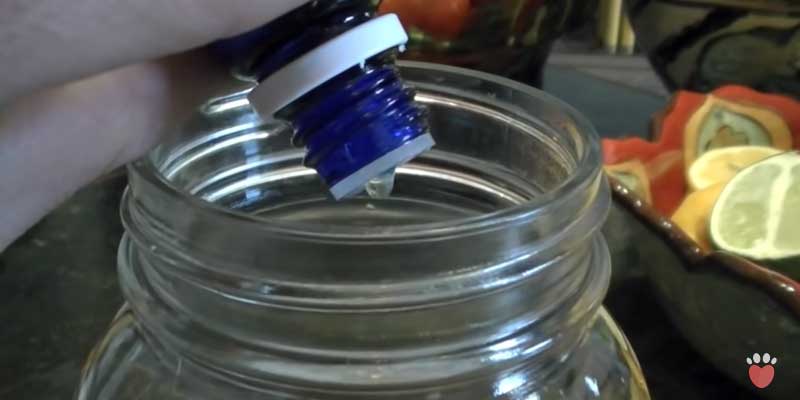
Topical use. Always dilute before any skin application — roughly a 0.25% solution, or one drop of essential oil per 1.5 tablespoons of carrier oil (sunflower, coconut, jojoba, or grapeseed oil all work well). Patch test on a small area first and monitor for 15 minutes before broader application. Avoid eyes, ears, nose, mouth, and genital areas entirely.
Diffuser use. Run the diffuser for about 10 minutes, then pause for 30 minutes to let the air clear, rather than continuous exposure. Keep the diffuser out of your dog’s direct reach, and make sure your dog can leave the room freely if they want to.
Don’t trust a “pet friendly” label on a multi-oil set at face value. Some products marketed this way include oils like tea tree, peppermint, or eucalyptus with only a caution against direct application — weaker guidance than what credible veterinary sources actually recommend for those specific oils. Check the named ingredients yourself against a real safe/avoid list rather than relying on marketing language, especially for blended sets where you can’t verify concentration per oil.
Essential Oil Comparison Table


Last update on 2026-08-19 / Affiliate links / Images from Amazon Product Advertising API
Essential Oil Reviews
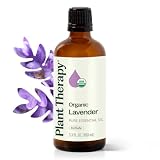
1. Plant Therapy Lavender (Best for Calming)
Best for Calming
Last update on 2026-08-19 / Affiliate links / Images from Amazon Product Advertising API
- CertificationUSDA Certified Organic
- TestingBatch-specific third-party GC/MS reports
- Best ForNot sure where to start
Given lavender is the most thoroughly researched and most safety-scrutinized oil in this category, it deserves the most rigorously verified pick. Plant Therapy publishes batch-specific GC/MS lab reports for every oil, a checkable purity credential rather than a front-label claim alone.
Their KidSafe safety line was developed in consultation with Robert Tisserand, a well-known name in aromatherapy safety research, and the company’s certified aromatherapists are available for direct questions.
As with all essential oils, dilute before any topical use and never allow ingestion — this applies to lavender specifically given the genuine irritation risk in undiluted form.
Pros
- Real batch-specific third-party GC/MS testing
- USDA Certified Organic
- Safety standards developed with a recognized aromatherapy safety authority
Cons
- Requires careful dilution given lavender’s genuine irritation risk undiluted
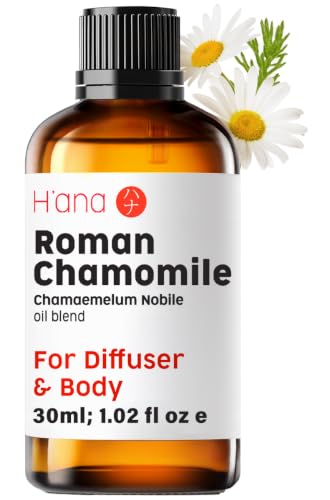
2. H’ana Roman Chamomile (Best for Chamomile)
Best for Chamomile
Last update on 2026-08-19 / Affiliate links / Images from Amazon Product Advertising API
- SpeciesRoman (Chamaemelum nobile)
- Best ForCalming, gentle on sensitive skin when diluted
Roman chamomile has a distinctly lighter aroma than German chamomile — worth knowing since the two vary in both scent and chemical makeup, not just name.
Diluted appropriately, it’s regarded as gentle enough for sensitive skin, useful if your dog has reactive or easily irritated skin in addition to general odor management.
As with any chamomile, never given orally — topical or diffused use only, with the same dilution guidance as every oil in this guide.
Pros
- Gentle on sensitive skin when diluted
- Distinct, lighter aroma than German chamomile
- Calming properties
Cons
- Never for oral use, topical or diffused only
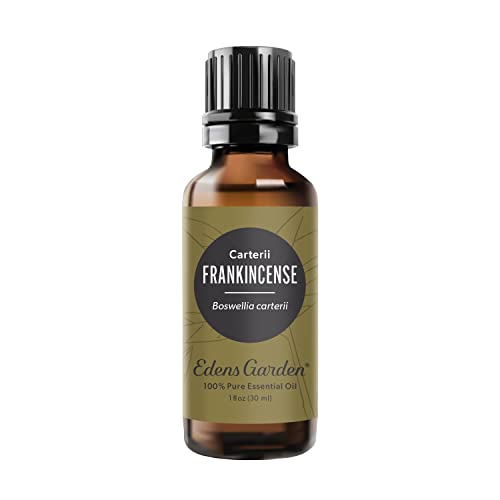
3. Edens Garden Frankincense Carterii (Best for Frankincense)
Best for Frankincense
Last update on 2026-08-19 / Affiliate links / Images from Amazon Product Advertising API
- SpeciesBoswellia carterii, stated explicitly
- Best ForBuyers who want the species confirmed on the label
The species is stated directly in the product name — a meaningful detail given Frankincense Carterii specifically is the variety with the more established track record for pet use, distinct from Serrata or Frereana.
Edens Garden provides access to licensed aromatherapists for product questions, an actual resource beyond just the bottle itself.
Like all resin-derived oils, it has a thicker consistency than floral oils — worth knowing if you’re used to a thinner oil in your diffuser or dilution routine.
Pros
- Species stated explicitly, not ambiguous
- Access to licensed aromatherapists
- Established track record for pet-adjacent use
Cons
- Thicker consistency than floral oils
4. Majestic Pure Cedarwood (Best for Cedarwood)
Best for Cedarwood

Last update on 2026-08-19 / Affiliate links / Images from Amazon Product Advertising API
- TestingIndependent lab tested for purity and constituents
- Best ForGeneral odor management with a real secondary insect-deterrent benefit
Independent lab testing confirms the oil’s constituents and rules out fillers or additives — a checkable quality claim rather than front-label marketing alone.
Cedarwood’s woodsy scent is genuinely distinct from the floral or herbal profile of most other picks here, and it carries a genuine secondary benefit: natural insect-deterrent properties that the calming-focused oils don’t offer.
Like the other resin and wood-derived oils, dilute before topical use and never allow ingestion.
Pros
- Independent lab testing for purity
- Real secondary insect-deterrent benefit
- Distinct woodsy scent profile
Cons
- Scent profile may be less universally appealing than floral options
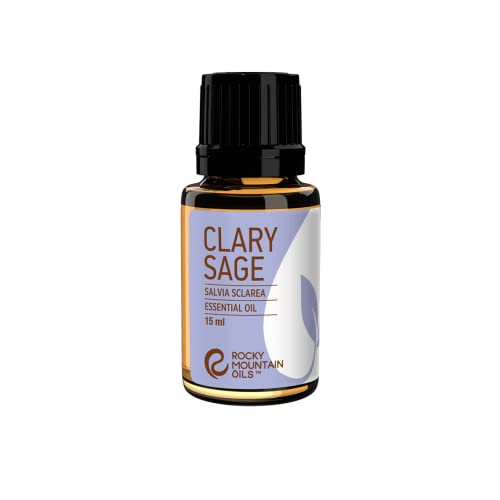
5. Rocky Mountain Oils Clary Sage (Best for Clary Sage)
Best for Clary Sage
Last update on 2026-08-19 / Affiliate links / Images from Amazon Product Advertising API
- TestingThird-party verified GC/MS results per batch
- Best ForCalming properties with real antibacterial and antifungal characteristics
Genuine, batch-specific third-party GC/MS testing backs this pick — the same rigorous standard applied across Rocky Mountain Oils’ full line, independently praised in academic comparisons of essential oil brands for its transparent, accessible testing documentation.
Real antibacterial and antifungal properties differentiate clary sage from the purely calming oils here, alongside similar stress-easing use.
The scent is distinctly herbaceous rather than sweet or floral — worth knowing if you’re choosing based on how it’ll smell in your home, not just its properties.
Pros
- Real third-party GC/MS testing per batch
- Real antibacterial and antifungal properties
- Independently praised testing transparency
Cons
- Distinctly herbaceous scent, not for everyone
Which Essential Oil Should You Buy?
| Situation | Pick |
|---|---|
| Not sure where to start, want calming benefit | Plant Therapy Lavender |
| Sensitive skin | H’ana Roman Chamomile |
| Want the exact species confirmed on the label | Edens Garden Frankincense Carterii |
| Want a secondary insect-deterrent benefit | Majestic Pure Cedarwood |
| Want real antibacterial/antifungal properties too | Rocky Mountain Oils Clary Sage |
Essential Oils for Dogs FAQ
Is lavender safe or toxic for dogs? I’ve seen both claims.
Both are technically true, which is why the confusion exists. Undiluted lavender or ingested lavender can cause genuine skin or stomach irritation — that’s the toxicity claim. Properly diluted lavender used topically or diffused has actual supporting research for a calming effect and doesn’t typically produce those adverse effects. Concentration and exposure route are what actually determine the outcome.
What essential oils should I never use around my dog?
Tea tree, pennyroyal, wintergreen, cinnamon, and pine are consistently flagged as truly toxic by credible veterinary sources due to specific compounds they contain, regardless of dilution. Avoid these entirely rather than assuming dilution makes them safe.
Can I trust a product labeled “pet friendly” or “safe for dogs”?
Not automatically. Some multi-oil sets marketed this way have been found to include oils like tea tree or peppermint with only a caution against direct application, which is weaker guidance than credible veterinary sources actually recommend. Check the specific named oils yourself rather than relying on the label alone, especially for blended products where you can’t verify individual concentrations.
How do I safely introduce a diffuser to my dog?
Run it for about 10 minutes, then pause for 30 minutes before running it again, rather than continuous exposure. Keep it out of your dog’s direct reach, and make sure they have the option to leave the room if they want to — watch for signs of discomfort like pawing at the face or trying to leave.
Final Thoughts
The real question isn’t just which oil, but how concentrated and how it’s used. Dilute properly for topical use, ventilate and limit diffuser time, avoid the oils with real toxicity regardless of dilution, and don’t trust a “pet friendly” label on a blended set without checking the actual ingredients yourself.



Keep up the good work, very useful and informative article, totally unbiased.
What oil can be applied to a dog that will reduce his drive of smell tracking? I.E., a dog tracking squirrel that cannot focus on anything else.