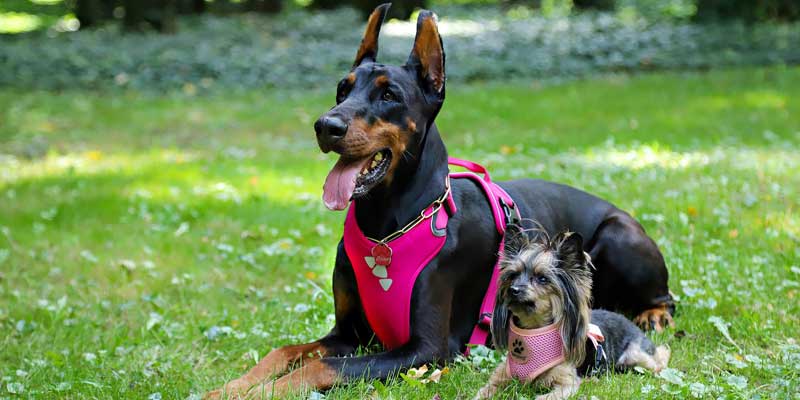
Not every harness marketed as anti-pull functions as one. Back-clip attachment doesn’t disrupt a dog’s instinct to pull against pressure, and it can make pulling easier. Front-clip attachment redirects a pulling dog sideways, which breaks the instinct without fighting it head-on.
A harness is a management tool, not a training substitute. It makes walks safer while you work on loose-leash training. Two safety notes: pulling against a flat collar risks tracheal damage, especially in brachycephalic breeds like Frenchies and Pugs, and any harness should come off when your dog is unsupervised, since it can snag on crate bars or furniture.
Editor’s Pick
Last update on 2026-08-19 / Affiliate links / Images from Amazon Product Advertising API
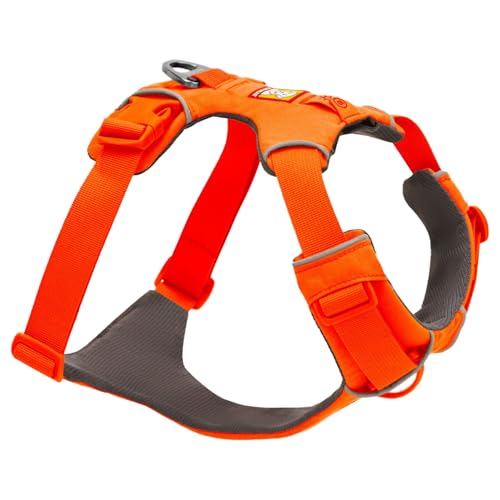
Dual front and back leash clips, a large independent review base, and a clear explanation of why the front clip redirects force away from the neck.
What’s Inside!
The Physics Behind Front-Clip
Dogs have a natural opposition reflex, the same instinct that makes a sled dog lean into a harness and pull harder. A back-clip harness sits over a dog’s center of gravity, letting them brace their full pulling muscles against it and haul more efficiently. A front-clip attachment changes the physics: when a dog pulls forward, the leash turns them sideways, interrupting the reflex.
Front-clip design isn’t a guaranteed fix for every dog. Very strong pullers compensate by dropping their shoulders and bracing lower, generating enough force to partly overpower the redirection. What you get is a mechanical advantage, and pairing it with loose-leash training gets the best results.
Pulling against a flat collar puts pressure on the throat, which can lead to coughing, gagging, and in extreme cases tracheal damage; brachycephalic breeds like French Bulldogs, Pugs, and Bulldogs are especially at risk given their airway structure. A harness spreads that pressure across the chest. Remove the harness when your dog is unsupervised, since it can snag on crate bars or furniture.
What to Check Before Buying
Clip location. Front-clip or dual-clip designs are what provide anti-pull function. A back-clip-only harness is comfortable for casual walks but won’t do much about pulling.
Fit check. You should be able to fit two fingers between the harness and your dog’s body. Too loose and a dog can back out of it; too tight causes discomfort.
Escape resistance. For a dog that has slipped a harness before, look for a design built around preventing backing-out; a standard adjustable fit won’t hold.
Material for the activity. A lightweight everyday harness and a heavy-duty tactical design built for hiking or working use are different tools. Match the harness to what you’ll use it for.
Anti-Pull Harness Comparison Table


Last update on 2026-08-19 / Affiliate links / Images from Amazon Product Advertising API
Anti-Pull Harness Reviews
1. PetSafe Easy Walk Comfort (Best for Strong Pullers)
Best for Strong Pullers
Last update on 2026-08-19 / Affiliate links / Images from Amazon Product Advertising API
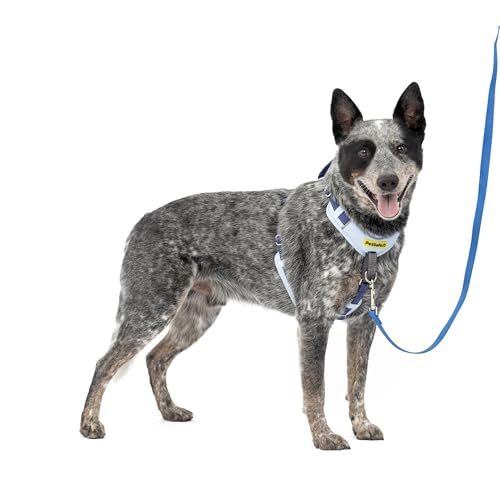
- MechanismPatented martingale loop, front chest clip
- Brand historySince 1998, 11+ million dogs protected
- Best ForDogs with a well-practiced pulling habit
The patented martingale loop works differently from a fixed front-clip: it tightens gently around the shoulder when a dog pulls, then releases as soon as they stop, giving immediate feedback.
PetSafe has been building pet safety products since 1998, with a long history in this category. Full-body padding and a 5-point adjustable fit add comfort beyond the core mechanism.
Like any front-attachment design, it may not fully control an extremely powerful puller on its own.
Pros
- Martingale-loop mechanism, distinct from a fixed front-clip
- Building pet safety products since 1998
- Full-body padding for comfort
Cons
- May not fully control an extremely strong puller alone
2. Ruffwear Front Range (Best Overall/Everyday)
Best Overall/Everyday
Last update on 2026-08-19 / Affiliate links / Images from Amazon Product Advertising API
- ClipsDual: front chest and back V-ring
- ReviewsHigh independent volume
- Best ForEveryday walks, training, and general use
Dual leash clips cover both jobs: the front clip redirects a pulling dog for training, while the back V-ring handles calmer everyday walks without switching harnesses.
Foam-padded construction and an ID pocket for tags round it out, and the large independent review volume behind this harness reflects sustained demand.
It is built as a general-purpose harness, so extreme pulling and tactical use are better served further down this list. As a first harness, it covers most walks.
Pros
- Dual front and back clip flexibility
- Large independent review volume
- Foam-padded, comfortable for all-day wear
Cons
- General-purpose design, not specialized for extreme pulling
3. 2 Hounds Design Freedom (Best Escape-Resistant)
Best Escape-Resistant

Last update on 2026-08-19 / Affiliate links / Images from Amazon Product Advertising API
- Made inUSA, since 2003
- DesignSecure, escape-resistant fit
- Best ForDogs that have previously backed out of a harness
A small business with more than two decades in this category. Its stated mission includes ongoing work with rescue and adoption organizations.
The design emphasizes a snug fit that resists a dog backing out, which matters if you have had a harness fail before.
That fit takes more care to adjust than a looser everyday harness.
Pros
- Made-in-USA manufacturing since 2003
- Escape-resistant design
- Ongoing rescue and adoption partnership work
Cons
- Requires careful adjustment to work as intended
4. Auroth Tactical (Best Heavy-Duty)
Best Heavy-Duty

Last update on 2026-08-19 / Affiliate links / Images from Amazon Product Advertising API
- DesignMOLLE-compatible, front clip, control handle
- CertificationsRecycled materials, safer chemicals, measured carbon emissions
- Best ForWorking, hiking, or heavy-duty everyday use
MOLLE compatibility means you can attach accessories to it, which is the point for anyone hiking or working with their dog.
Independently recognized sustainability certifications cover at least 50% recycled material, safer chemical formulation, and measured carbon emissions, a credential most competitors in this heavy-duty category don’t carry.
The rugged build and control handle add bulk compared with a lightweight everyday harness.
Pros
- MOLLE-compatible accessory attachment
- Independently recognized sustainability certifications
- Control handle for crowded areas
Cons
- Bulkier than a lightweight everyday harness
5. PHOEPET (Best Value/Highest Review Volume)
Best Value/Highest Review Volume
Last update on 2026-08-19 / Affiliate links / Images from Amazon Product Advertising API
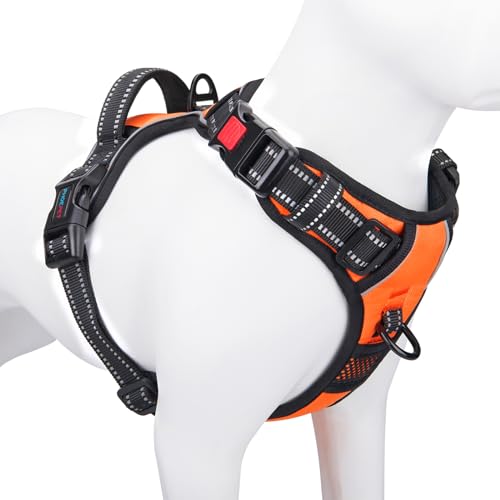
- ClipsDual: front and back
- ReviewsExceptionally high volume
- Best ForBudget-conscious buyers wanting a proven track record
The draw is an exceptionally large, independently verifiable review base at a budget price point.
Dual front and back clips offer the same flexibility as pricier options, and the listing includes a fit-check instruction matching the two-finger rule from the buyer’s guide above.
It doesn’t carry the brand heritage or certifications of the pricier picks above, which is what you trade away for the price.
Pros
- Exceptionally high independent review volume
- Dual front and back clip flexibility
- Budget-friendly price point
Cons
- No specialized brand heritage or certifications
Which Anti-Pull Harness Should You Buy?
| Situation | Pick |
|---|---|
| Long-standing pulling habit | PetSafe Easy Walk Comfort |
| Not sure where to start, everyday use | Ruffwear Front Range |
| Dog has backed out of a harness before | 2 Hounds Design Freedom |
| Hiking, working, or heavy-duty use | Auroth Tactical |
| Tightest budget, want a proven track record | PHOEPET |
Anti-Pull Harness FAQ
Why doesn’t my back-clip harness stop my dog from pulling?
Back-clip attachment sits over a dog’s center of gravity, letting them brace their full pulling muscles against it, the same mechanics that make sled dogs good haulers. It’s comfortable for casual walks, but it doesn’t disrupt the pulling instinct the way front-clip attachment does.
Will a front-clip harness stop pulling completely?
Usually it reduces pulling a lot, but not always completely. Very strong pullers compensate by dropping their shoulders and bracing lower, partially overpowering the redirection. The harness is a management tool; loose-leash training is what produces the long-term change.
Is a harness safer than a collar for a dog that pulls?
Yes. Pulling against a flat collar puts pressure on the throat, risking coughing, gagging, or in extreme cases tracheal damage; brachycephalic breeds are especially vulnerable. A harness spreads that pressure across the chest.
Should I leave the harness on my dog all the time?
No. Remove it when your dog is unsupervised, since a harness can snag on crate bars or furniture. Keep it for walks and supervised time.
Final Thoughts
Check the clip location first: front or dual-clip is what provides anti-pull function, whatever the packaging says. Fit with the two-finger rule, treat the harness as a management tool alongside consistent training, and remove it when your dog is unsupervised.